
Introduction to Millets
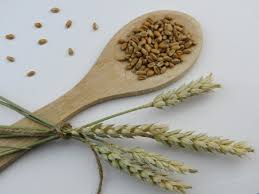
Millets are small, round grains that have been part of traditional diets for thousands of years. In India, they were once known as the farmer’s food, but today they are being recognised as one of the most powerful superfoods. From gym lovers to people managing diabetes, everyone is turning to millets for their amazing mix of fibre, minerals, and protein.
These grains grow easily without much water, making them great for farmers and the environment. More importantly, millets are gluten-free, full of complex carbohydrates, and rich in plant-based protein. If you are trying to switch to a healthier lifestyle, millets can be your best companion. Additionally, we’ll explore which millet has the highest protein in more detail. It is essential to understand which millet has high protein to incorporate it into our diets effectively. and if you want healthy skin also see https://skinnwellness.in/detoxify-skin-naturally/
Why Millets Are Becoming Popular Again?
People today are looking for real food which are natural, simple, and nutritious. Millets fit perfectly into this idea. They are filling, easy to cook, and suitable for all kinds of diets, whether you are vegan, vegetarian, or just trying to eat better. Even the United Nations declared 2023 as the “International Year of Millets,” showing their global importance.
Many people wonder, which millet has high protein? This question leads us to explore millets like Foxtail and Bajra, which are often recommended for their protein content.
Nutritional Value of Millets (Which Millet Has High Protein?)
Millets are rich in iron, calcium, magnesium, phosphorus, and protein. They also contain antioxidants that help fight free radicals and keep your body strong. Because of their high fiber content, they aid digestion and keep you feeling full for longer.
If you are looking for a plant-based source of protein, millets can be a great option. Let’s look at which millet has the highest protein? Stay tuned to discover which millet has the highest protein.
Protein in Different Types of Millets (Which millets has the high protein?)
When considering which millet has high protein, it’s important to look at the nutritional benefits of each type. Different millets offer varying amounts of protein, but knowing which millet has high protein can help in making better dietary choices.
Protein is one of the most important nutrients for our body. It helps repair tissues, build muscles, support immunity, and improve hair and skin health. For people who don’t eat meat or eggs, millets can be an excellent source of plant protein.
To answer the question, which millet has high protein? We need to delve into specific types of millets and their protein values.
Here’s a quick comparison of protein levels in different millets (per 100 grams):
| Millet Type | Protein (g) | Main Nutrients |
|---|---|---|
| Foxtail Millet | 12.3 | Iron, Calcium, B Vitamins |
| Pearl Millet (Bajra) | 11.8 | Fiber, Magnesium, Phosphorus |
| Barnyard Millet | 11.2 | Iron, Fiber |
| Little Millet | 9.7 | Phosphorus, Potassium |
| Kodo Millet | 8.3 | Zinc, B Vitamins |
| Finger Millet (Ragi) | 7.3 | Calcium, Iron, Amino Acids |
Foxtail Millet stands at the top for protein, followed closely by Pearl Millet (Bajra) and Barnyard Millet. But let’s understand each one a bit better.
In fact, if you are looking for the best nutritional profile, you should consider which millet has high protein content.
Foxtail Millet (Thinai)
Foxtail millet is one of the oldest cultivated millets and is rich in nutrients. It contains about 12.3 grams of protein per 100 grams, making it the best millet for people who want to increase their protein intake naturally.
It is rich in complex carbohydrates, which means it releases energy slowly and keeps you full for longer. It is also high in Vitamin B12, magnesium, and iron.
Key Benefits of Foxtail Millet:
- Helps in muscle repair and recovery
- Supports brain and nerve health
- Keeps cholesterol and sugar levels in check
- Good for people managing diabetes or PCOS
You can use Foxtail millet to make upma, khichdi, dosas, or even simple pulao.
Pearl Millet (Bajra)
Bajra is the second richest millet in protein with about 11.8 grams per 100 grams. It is high in fiber, which makes it good for digestion and weight management.
Why Bajra Is Good for You:
For those focused on fitness, knowing which millet has high protein can guide dietary choices that enhance muscle development.
- Keeps your stomach full for longer hours
- Boosts stamina and energy
- Helps lower bad cholesterol
- Excellent for winters as it keeps the body warm
You can make Bajra rotis, khichdi, or porridge. In Rajasthan and Gujarat, Bajra is a staple during winter meals because it gives warmth and energy.
Barnyard Millet (Sanwa)
Barnyard millet has 11.2 grams of protein per 100 grams. It is light on the stomach and easy to digest, making it perfect for people with digestive issues or diabetes.
Benefits:
- High in fiber and iron
- Maintains blood sugar levels
- Helps in weight control
- Great for fasting days (vrat food)
You can make Barnyard millet porridge, idli, or pulao.
Little Millet (Saamai)
Another key point is that by integrating millets into your diet, you can address the question: which millet has high protein? This will help in achieving your health goals.
Little millet contains about 9.7 grams of protein per 100 grams. It is rich in B vitamins, minerals, and antioxidants. It keeps you active and helps improve metabolism.
Health Benefits:
- Promotes heart health
- Reduces fatigue
- Strengthens bones and muscles
It can easily replace white rice in your meals.
Kodo Millet (Kodra)
Kodo millet offers around 8.3 grams of protein per 100 grams. It is a great choice for people trying to lose weight because it has low fat and high fiber.
Benefits of Kodo Millet:
- Improves digestion
- Helps manage blood sugar
- Keeps energy steady throughout the day
You can prepare Kodo millet pulao, salad, or porridge.
Finger Millet (Ragi)
Ragi is famous for its calcium content but also provides around 7.3 grams of protein per 100 grams. It is a good option for children and people who need stronger bones.
Why You Should Eat Ragi:
- Helps strengthen bones and teeth
- Reduces fatigue and stress
- Improves iron levels and prevents anemia
You can use Ragi in dosas, pancakes, or laddoos.
Health Benefits of High-Protein Millets
1. Helps in Muscle Growth
Protein helps build and repair muscles. Adding millets like Foxtail and Bajra to your diet can give your body the amino acids it needs for strength and recovery.
2. Supports Weight Loss
Millets are filling and keep hunger away for longer hours. They help reduce overeating and control cravings, which naturally helps with weight loss.
3. Maintains Hormonal Balance
For women dealing with PCOS or thyroid, millets are very beneficial. They help manage insulin levels and maintain hormone balance.
4. Improves Digestion
The fiber in millets keeps your gut healthy and prevents constipation.
5. Controls Blood Sugar Levels
Since millets release energy slowly, they don’t cause sudden sugar spikes. This is why they are great for people with diabetes.
6. Keeps Your Heart Healthy
Millets reduce cholesterol and support good heart function because they contain magnesium and antioxidants.
What People Are Saying Online
On Reddit, users in groups like r/nutrition and r/fitness share their positive experiences after adding millets to their diet. Most say Foxtail millet keeps them full and improves energy levels.
On Quora, questions like “Which millet helps build muscle?” often have Foxtail and Bajra as top recommendations.
On Facebook, groups such as “Millet Revolution India” and “Millet Lovers Community” share recipes, product reviews, and health journeys from real users.
Popular Millet Products You Can Try
- 24 Mantra Organic Foxtail Millet Flour
- True Elements Barnyard Millet
- Tata Soulfull Ragi Bites
- Manna Health Mix Millet Blend
You can find these on Amazon, Flipkart, or BigBasket. Try to buy organic and unpolished, Which Millet Has High Protein? for better nutrition.
If you want to learn more, check out: skinnwellness.in
Conclusion
Millets are not just old-fashioned grains; they are modern superfoods. They are full of nutrition, easy to digest, and help in everything from weight control to building muscles. Among all types, Foxtail millet stands out as the one with the highest protein.
If you want to stay healthy and energetic, start adding Foxtail or Bajra to your meals. Small changes like switching from rice to millets can make a big difference over time.
FAQs
1. Which millet has the most protein?
Foxtail millet has about 12.3g of protein per 100g, the highest among all millets.
2. Can I eat millets every day?
Yes. You can include millets daily, just balance them with vegetables and pulses for complete nutrition.
3. Are millets good for gym and muscle gain?
Yes, millets are rich in plant protein and give steady energy for workouts.
4. How much millet can I eat in a day?
Around 60–80 grams of cooked millet per meal is a good amount for most adults.
5. Which millet is best for weight loss and protein?
Foxtail millet and Bajra are both excellent for weight loss and protein intake.
Please don’t forget to leave a review.
Explore more by joining me on skinnwellness.in